The Certified Kubernetes Fundamentals and Cluster Operations Course Overview program is designed to equip professionals with the essential skills to become proficient in Kubernetes Fundamentals and Cluster Operations Course Overview.
Through hands-on labs, real-world simulations, and cutting-edge AI-driven tools, participants will become proficient in ethical hacking techniques and critical cybersecurity practices for defending against traditional and modern AI-powered threats.

I enroll for CISM Training & Certification. All the team members of Cyber Defentech are very good & very supportive. Thank you all the team. Highly recommend for ISACA trainings and Certification. Thank you Nitish.
.webp)
.webp)
Best institute for cyber security course, I do certified ethical hacking (ceh v13) training and certificate form cyber defentech. Puja mam and Nitish sir is very supportive. I am very thankful for cyber defentech team.Any one to do any cyber security training and Certification go for cyber defentech.
.webp)
I join here for certified ethical hacking training and certification, puja mam is very supportive, faculty is to good 👍. Cyber Defentech is best for any one want to do cyber security training and certifications.👍
.webp)
I’m beyond excited to announce that I’ve officially earned my Certified Ethical Hacker (CEH) certification! by EC-Council This milestone marks a significant step in my cybersecurity journey, and I couldn’t have done it without the incredible support of Nitish Pathak, Vipin Yadav, Cyber Defentech mentorship, encouragement, and belief in me pushed me to stay focused and achieve this goal.
.webp)
I am pleased to share that I have successfully cleared the CEH Practical certification from EC-Council. I appreciate the support provided by the EC-Council proctor, who ensured a seamless exam experience. A special thank you to Nitish Pathak for facilitating access to the necessary labs and training resources, which helped in streamlining the preparation process.
.webp)
I had a great experience learning and pursuing my Certified Ethical Hacker (Practical) by EC-Council. The instructors are very helpful and I would like to recommend it to anyone who are looking to pursue their careers in Cyber Security. Thanks to Cyber Defentech for the guidance.
.webp)
I’m beyond excited to share that I have officially earned the hashtag#CertifiedEthicalHacker (Practical)certification from EC-Council. This achievement validates my hands-on skills in ethical hacking, penetration testing, and cybersecurity defense. 🛡️ A special thanks to Cyber Defentech Institute for their incredible support and guidance throughout this journey. 🙌
.webp
)
.webp)
It is my pleasure to share that I have successfully completed the Certified Ethical Hacker delivered by EC-Council . Special thanks for supporting Nitish Pathak and Cyber Defentech team for valuable support and guide.
I am pleased to share that I have successfully cleared the CEH Practical certification from EC-Council. I appreciate the support provided by the EC-Council proctor, who ensured a seamless exam experience. A special thank you to Nitish Pathak for facilitating access to the necessary labs and training resources, which helped in streamlining the preparation process.
I’m beyond excited to announce that I’ve officially earned my Certified Ethical Hacker (CEH) certification! by EC-Council This milestone marks a significant step in my cybersecurity journey, and I couldn’t have done it without the incredible support of Nitish Pathak, Vipin Yadav, Cyber Defentech mentorship, encouragement, and belief in me pushed me to stay focused and achieve this goal.



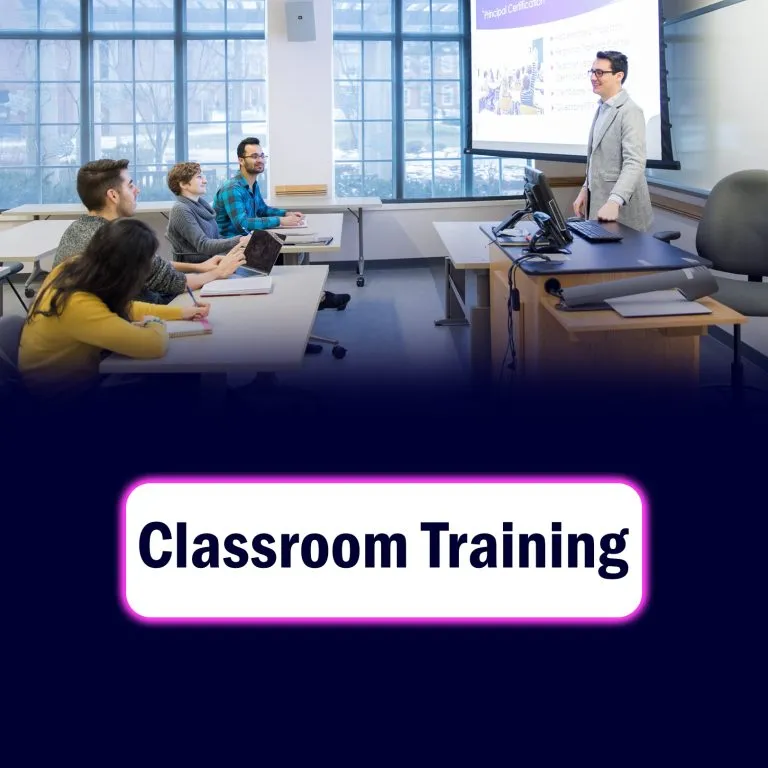


The Kubernetes Fundamentals and Cluster Operations course provides a comprehensive introduction to container orchestration using Kubernetes, focusing on core concepts, architecture, deployment, scaling, networking, and cluster management. It is ideal for system administrators, DevOps engineers, and cloud professionals who want to master deploying and managing containerized applications in production environments.
Students who have completed Class 12 can definitely begin learning Kubernetes, but having some foundational technical knowledge will make the process easier.
✅ Key Learning Objectives 1. Understand Kubernetes Architecture Learn how the control plane, nodes, pods, and other components work together in a Kubernetes environment. 2. Deploy and Manage Applications Gain hands-on experience in creating, scaling, and maintaining containerized applications using Deployments, ReplicaSets, and StatefulSets. 3. Configure Networking and Services Understand how to expose applications using Services, Ingress, and DNS within a Kubernetes cluster. 4. Implement Storage and Persistence Learn how to manage data using Volumes, Persistent Volumes (PV), and Persistent Volume Claims (PVC). 5. Secure the Kubernetes Environment Explore role-based access control (RBAC), Secrets management, and Network Policies to protect applications and cluster resources. 6. Perform Cluster Administration Tasks Learn how to monitor cluster performance, troubleshoot issues, and optimize resource usage. 7. Automate Application Management Use Helm charts and YAML configurations to automate application deployment and updates. 8. Work with Cloud-Based Kubernetes Platforms Understand managed Kubernetes services like AKS (Azure), EKS (AWS), and GKE (Google Cloud). 9. Prepare for Real-World Operations Develop skills to handle scaling, upgrades, backups, and disaster recovery in production environments.
🔹🔹 Module 1: Introduction to Containers and Kubernetes Overview of containerization and Docker Understanding Kubernetes architecture and components Control plane and node roles Key concepts: Pods, Nodes, and Namespaces 🔹 Module 2: Kubernetes Installation and Configuration Installing Kubernetes using Minikube or kubeadm Cluster setup and initialization Verifying cluster health and connectivity Understanding kubeconfig and context management 🔹 Module 3: Kubernetes Objects and Workloads Working with Pods, ReplicaSets, and Deployments Managing StatefulSets, DaemonSets, and Jobs Labels, selectors, and annotations for resource management 🔹 Module 4: Networking in Kubernetes Kubernetes networking model and CNI (Container Network Interface) ClusterIP, NodePort, and LoadBalancer services Ingress controllers and DNS configuration 🔹 Module 5: Storage Management Understanding Volumes and Persistent Volumes (PV) Creating Persistent Volume Claims (PVCs) StorageClasses and dynamic provisioning Backup and restore of data 🔹 Module 6: Security and Access Control Role-Based Access Control (RBAC) Managing Secrets and ConfigMaps Securing pods with Network Policies Authentication and authorization best practices 🔹 Module 7: Cluster Monitoring and Troubleshooting Monitoring cluster health and performance Using kubectl commands for debugging Logging and troubleshooting common pod and node issues Resource limits, requests, and autoscaling 🔹 Module 8: Scaling and Resource Management Horizontal and Vertical Pod Autoscaling Managing cluster resources efficiently Implementing quotas and limits 🔹 Module 9: Automation with Helm Introduction to Helm and Helm charts Deploying and managing applications with Helm Creating and customizing your own Helm charts 🔹 Module 10: Advanced Cluster Operations Cluster maintenance and upgrades Backup, restore, and disaster recovery Namespace management and multi-tenancy Cluster federation and hybrid/multi-cloud setups 🔹 Module 11: Cloud-Based Kubernetes Introduction to managed Kubernetes services: EKS (AWS) AKS (Azure) GKE (Google Cloud) Integration with CI/CD pipelines Deploying applications in cloud-based Kubernetes environments
Yes — a certification is available upon completing a course like Kubernetes Fundamentals and Cluster Operations (or equivalent).
The job market for skills covered in a Kubernetes Fundamentals and Cluster Operations course is strong and growing, though with some important nuances. Here’s a detailed look at how the opportunity landscape looks, what to expect and how to position yourself.
© Cyber defentech is Proudly Owned by Cyber defentech


 (1) (1).webp)
.webp)
.webp)





 (2).webp)