.webp)
The Certified Project Management Professional (PMP) program is designed to equip professionals with the essential skills to become proficient in (PMP) and cybersecurity.
Through hands-on labs, real-world simulations, and cutting-edge AI-driven tools, participants will become proficient in ethical hacking techniques and critical cybersecurity practices for defending against traditional and modern AI-powered threats.

I enroll for CISM Training & Certification. All the team members of Cyber Defentech are very good & very supportive. Thank you all the team. Highly recommend for ISACA trainings and Certification. Thank you Nitish.
.webp)
.webp)
Best institute for cyber security course, I do certified ethical hacking (ceh v13) training and certificate form cyber defentech. Puja mam and Nitish sir is very supportive. I am very thankful for cyber defentech team.Any one to do any cyber security training and Certification go for cyber defentech.
.webp)
I join here for certified ethical hacking training and certification, puja mam is very supportive, faculty is to good 👍. Cyber Defentech is best for any one want to do cyber security training and certifications.👍
.webp)
I’m beyond excited to announce that I’ve officially earned my Certified Ethical Hacker (CEH) certification! by EC-Council This milestone marks a significant step in my cybersecurity journey, and I couldn’t have done it without the incredible support of Nitish Pathak, Vipin Yadav, Cyber Defentech mentorship, encouragement, and belief in me pushed me to stay focused and achieve this goal.
.webp)
I am pleased to share that I have successfully cleared the CEH Practical certification from EC-Council. I appreciate the support provided by the EC-Council proctor, who ensured a seamless exam experience. A special thank you to Nitish Pathak for facilitating access to the necessary labs and training resources, which helped in streamlining the preparation process.
.webp)
I had a great experience learning and pursuing my Certified Ethical Hacker (Practical) by EC-Council. The instructors are very helpful and I would like to recommend it to anyone who are looking to pursue their careers in Cyber Security. Thanks to Cyber Defentech for the guidance.
.webp)
I’m beyond excited to share that I have officially earned the hashtag#CertifiedEthicalHacker (Practical)certification from EC-Council. This achievement validates my hands-on skills in ethical hacking, penetration testing, and cybersecurity defense. 🛡️ A special thanks to Cyber Defentech Institute for their incredible support and guidance throughout this journey. 🙌
.webp
)
.webp)
It is my pleasure to share that I have successfully completed the Certified Ethical Hacker delivered by EC-Council . Special thanks for supporting Nitish Pathak and Cyber Defentech team for valuable support and guide.
I am pleased to share that I have successfully cleared the CEH Practical certification from EC-Council. I appreciate the support provided by the EC-Council proctor, who ensured a seamless exam experience. A special thank you to Nitish Pathak for facilitating access to the necessary labs and training resources, which helped in streamlining the preparation process.
I’m beyond excited to announce that I’ve officially earned my Certified Ethical Hacker (CEH) certification! by EC-Council This milestone marks a significant step in my cybersecurity journey, and I couldn’t have done it without the incredible support of Nitish Pathak, Vipin Yadav, Cyber Defentech mentorship, encouragement, and belief in me pushed me to stay focused and achieve this goal.
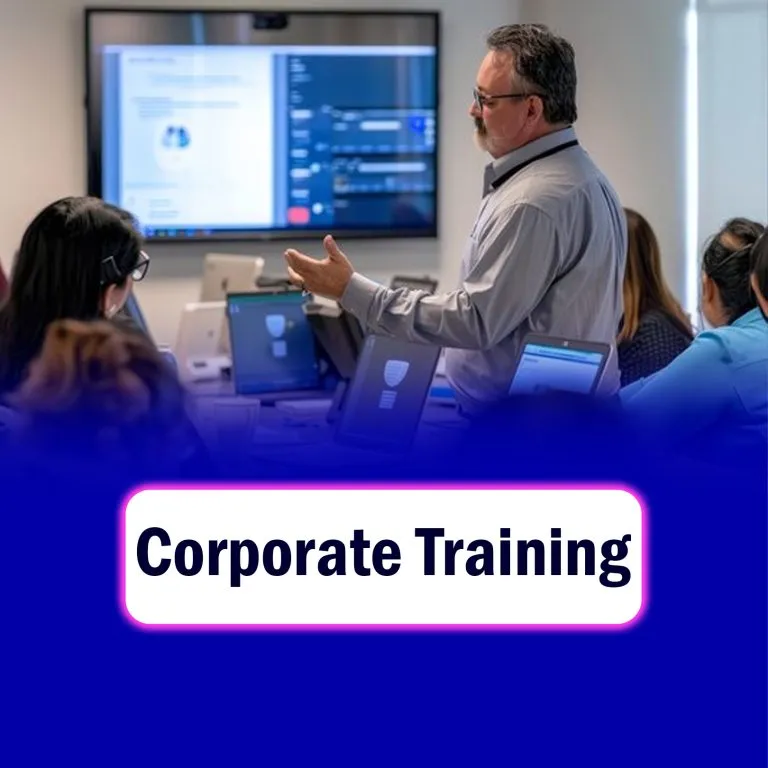

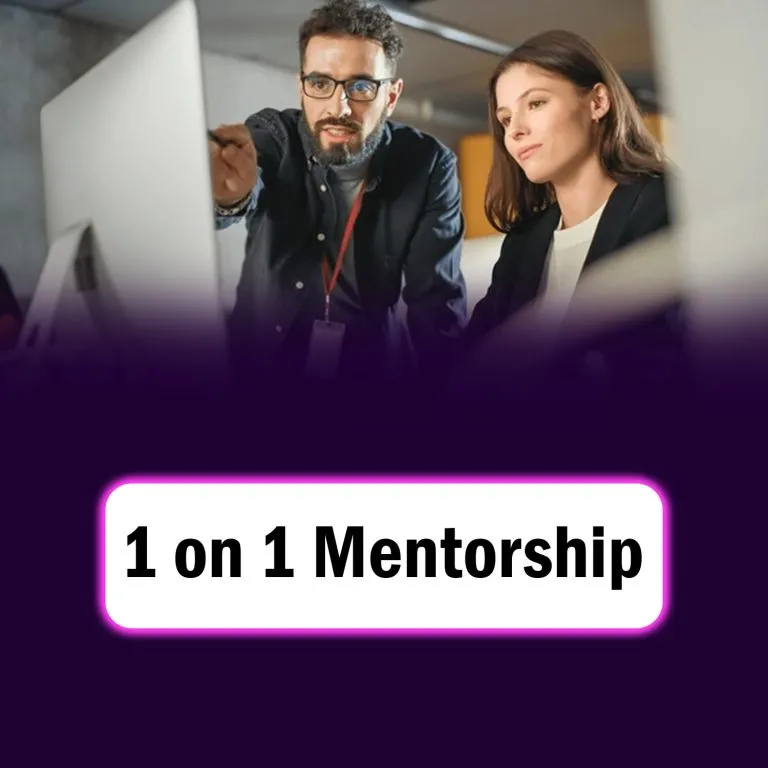

PMP stands for Project Management Professional — it’s a globally recognized certification offered by the Project Management Institute (PMI).
If you later complete a 4-year degree (like B.Tech, BBA, B.Com, etc.), then you’ll need: ✅ 36 months (3 years) of project management experience ✅ 35 hours of project management education or CAPM certification
A PMP (Project Management Professional) course is designed to help professionals plan, execute, and manage projects successfully — while also preparing them to pass the PMP certification exam offered by the Project Management Institute (PMI).
A PMP course covers all the essential topics and domains outlined by the Project Management Institute (PMI) in the PMBOK® Guide (Project Management Body of Knowledge) and the PMP Exam Content Outline.
Yes, certification is available after completing a PMP course. However, there is a difference between a PMP training course and the actual PMP certification. When you complete a PMP course from a recognized or PMI-authorized institute, you receive a course completion certificate confirming that you have completed 35 hours of project management education, which is one of the key eligibility requirements for applying for the PMP exam.
The job market for PMP-certified professionals is extremely strong and continues to grow worldwide. Organizations across industries value PMP certification because it demonstrates that a professional has the knowledge, experience, and leadership skills needed to manage complex projects successfully.
© Cyber defentech is Proudly Owned by Cyber defentech

 (1) (1).webp)
.webp)
.webp)
 (2).webp)