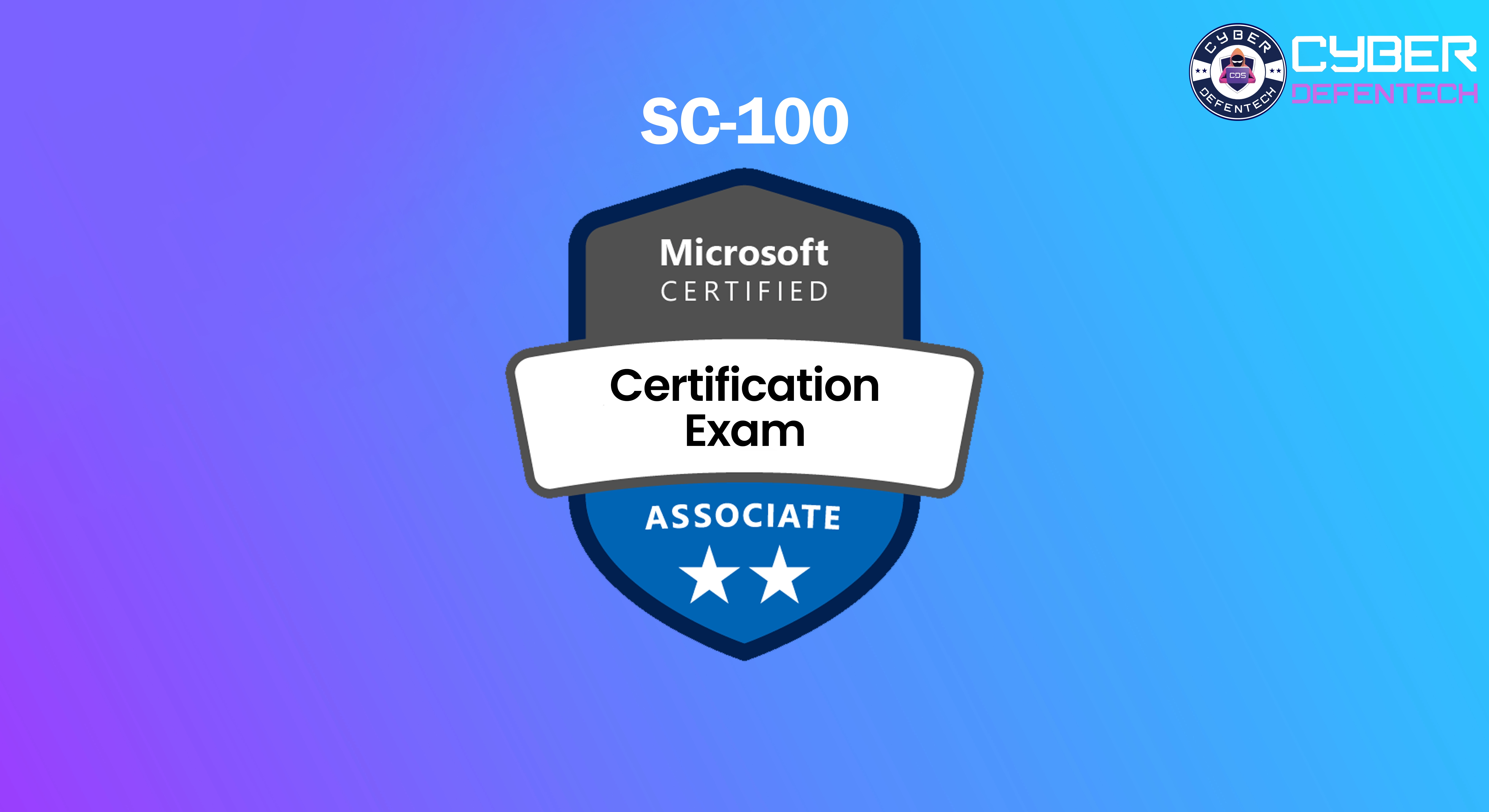
The Certified Microsoft Cybersecurity Architect (SC-100) program is designed to equip professionals with the essential skills to become proficient in Microsoft Cybersecurity Architect (SC-100).
Through hands-on labs, real-world simulations, and cutting-edge AI-driven tools, participants will become proficient in ethical hacking techniques and critical cybersecurity practices for defending against traditional and modern AI-powered threats.

I enroll for CISM Training & Certification. All the team members of Cyber Defentech are very good & very supportive. Thank you all the team. Highly recommend for ISACA trainings and Certification. Thank you Nitish.
.webp)
.webp)
Best institute for cyber security course, I do certified ethical hacking (ceh v13) training and certificate form cyber defentech. Puja mam and Nitish sir is very supportive. I am very thankful for cyber defentech team.Any one to do any cyber security training and Certification go for cyber defentech.
.webp)
I join here for certified ethical hacking training and certification, puja mam is very supportive, faculty is to good 👍. Cyber Defentech is best for any one want to do cyber security training and certifications.👍
.webp)
I’m beyond excited to announce that I’ve officially earned my Certified Ethical Hacker (CEH) certification! by EC-Council This milestone marks a significant step in my cybersecurity journey, and I couldn’t have done it without the incredible support of Nitish Pathak, Vipin Yadav, Cyber Defentech mentorship, encouragement, and belief in me pushed me to stay focused and achieve this goal.
.webp)
I am pleased to share that I have successfully cleared the CEH Practical certification from EC-Council. I appreciate the support provided by the EC-Council proctor, who ensured a seamless exam experience. A special thank you to Nitish Pathak for facilitating access to the necessary labs and training resources, which helped in streamlining the preparation process.
.webp)
I had a great experience learning and pursuing my Certified Ethical Hacker (Practical) by EC-Council. The instructors are very helpful and I would like to recommend it to anyone who are looking to pursue their careers in Cyber Security. Thanks to Cyber Defentech for the guidance.
.webp)
I’m beyond excited to share that I have officially earned the hashtag#CertifiedEthicalHacker (Practical)certification from EC-Council. This achievement validates my hands-on skills in ethical hacking, penetration testing, and cybersecurity defense. 🛡️ A special thanks to Cyber Defentech Institute for their incredible support and guidance throughout this journey. 🙌
.webp
)
.webp)
It is my pleasure to share that I have successfully completed the Certified Ethical Hacker delivered by EC-Council . Special thanks for supporting Nitish Pathak and Cyber Defentech team for valuable support and guide.
I am pleased to share that I have successfully cleared the CEH Practical certification from EC-Council. I appreciate the support provided by the EC-Council proctor, who ensured a seamless exam experience. A special thank you to Nitish Pathak for facilitating access to the necessary labs and training resources, which helped in streamlining the preparation process.
I’m beyond excited to announce that I’ve officially earned my Certified Ethical Hacker (CEH) certification! by EC-Council This milestone marks a significant step in my cybersecurity journey, and I couldn’t have done it without the incredible support of Nitish Pathak, Vipin Yadav, Cyber Defentech mentorship, encouragement, and belief in me pushed me to stay focused and achieve this goal.

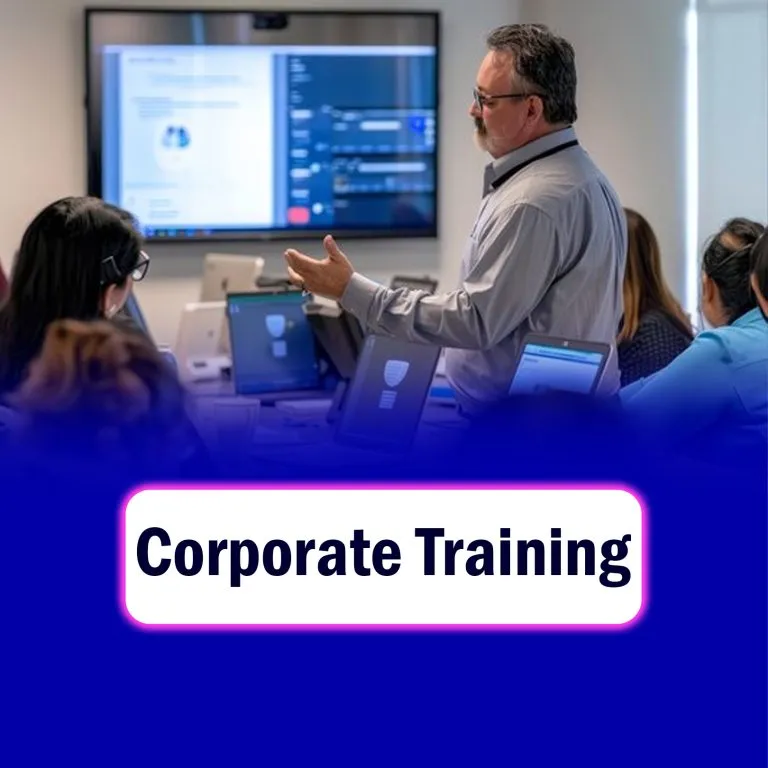
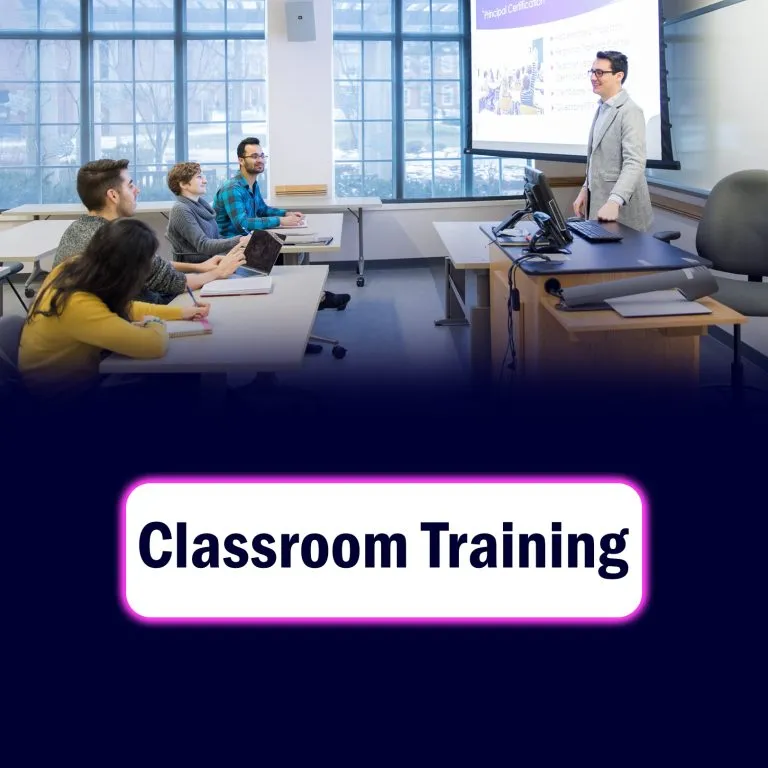


The Microsoft Cybersecurity Architect (SC-100) certification is an advanced-level professional certification from Microsoft, designed for cybersecurity experts who design and implement secure solutions across Microsoft environments. It focuses on strategic architecture, security governance, risk management, and identity and access management in enterprise systems.
1. Educational Requirement Minimum: 12th grade (High School Pass) A bachelor’s degree in IT, Computer Science, or related field is not mandatory but highly beneficial. 2. Recommended Prior Certifications / Knowledge To succeed in SC-100, it’s recommended that candidates have knowledge in Microsoft security fundamentals and cloud solutions: Microsoft Security, Compliance, and Identity Fundamentals (SC-900) – optional but helpful Microsoft Azure Fundamentals (AZ-900) – helps understand cloud architecture Basic understanding of networking, cybersecurity principles, and identity management 3. Work Experience (Optional but Beneficial) Practical experience in IT, cloud computing, or cybersecurity is helpful. Internships or projects in Microsoft 365, Azure security, or enterprise IT environments can boost understanding. 4. Skills Required Analytical and problem-solving skills for security architecture design Understanding of Microsoft cloud services (Azure, Microsoft 365) Basic networking, IAM, and cybersecurity concepts
1. Design a Zero Trust Strategy Understand and implement Zero Trust principles for users, devices, apps, and data. Protect access to critical resources using identity and conditional access policies. 2. Plan Security Architecture Design enterprise security frameworks and strategies for Microsoft 365, Azure, and hybrid environments. Ensure alignment of security architecture with business objectives. 3. Implement Identity and Access Management (IAM) Configure Azure Active Directory, conditional access, and privileged identity management. Manage secure authentication and authorization across cloud services. 4. Manage Platform and Application Protection Apply Microsoft security solutions like Microsoft Defender, Purview, and Sentinel. Ensure protection of endpoints, cloud workloads, and applications. 5. Conduct Risk Assessment and Compliance Assess risks, threats, and vulnerabilities in enterprise environments. Implement governance, risk, and compliance strategies using Microsoft tools. 6. Lead Security Operations and Monitoring Use Microsoft Sentinel and other monitoring tools to detect and respond to threats. Ensure continuous improvement of security posture and operational readiness. 7. Collaborate and Communicate with Stakeholders Provide guidance to IT teams and leadership on security architecture decisions. Develop security policies, procedures, and documentation aligned with enterprise requirements.
1. Security Architecture Design Principles of security architecture and enterprise security strategy Zero Trust architecture: concepts and implementation Threat modeling and risk assessment frameworks Aligning security strategy with business objectives 2. Identity and Access Management (IAM) Azure Active Directory (Azure AD) fundamentals Conditional Access policies and Multi-Factor Authentication (MFA) Privileged Identity Management (PIM) and role-based access Securing hybrid identities 3. Platform and Workload Protection Microsoft 365 security solutions (Defender for Office 365, Cloud App Security) Azure security controls and policies Endpoint and application protection strategies Cloud workload protection and threat prevention 4. Security Operations and Monitoring Using Microsoft Sentinel and other SIEM solutions Security monitoring and incident response planning Threat intelligence and anomaly detection Security automation and orchestration 5. Governance, Risk, and Compliance Security governance frameworks and policies Regulatory compliance management using Microsoft Compliance Manager Risk assessment, mitigation, and reporting Audit preparation and continuous improvement 6. Data Protection and Privacy Data classification and labeling using Microsoft Purview Encryption and information protection strategies GDPR, HIPAA, and other regulatory considerations Data loss prevention (DLP) implementation 7. Collaboration and Stakeholder Engagement Leading security projects and teams Communicating security strategy to executives and IT teams Developing policies, documentation, and standard operating procedures
✅ Yes, certification is available after completing the Microsoft Cybersecurity Architect (SC-100) course. This certification validates that you have the expert-level skills to design, implement, and manage secure Microsoft enterprise architectures and can lead cybersecurity strategy across cloud and hybrid environments.
The job market for Microsoft Cybersecurity Architect (SC-100) is very strong and growing, driven by the increasing reliance on Microsoft cloud technologies (Azure, Microsoft 365) and the global focus on cybersecurity, risk management, and compliance. Organizations are actively seeking experts who can design, implement, and oversee enterprise security architectures.
© Cyber defentech is Proudly Owned by Cyber defentech

 (1) (1).webp)
.webp)
.webp)

 (2).webp)